
The trusted marketplace for Industrial Parts and Consumables
Select language
Sold more then 10.000 Industrial Parts and Consumables
Sell quicker! List items quicker and globally!
2 Year Warranty on all items


Pumps and valves are essential components in various fluid handling systems across multiple industries, including water treatment, oil and gas, chemical processing, and HVAC systems. Here’s an overview of each:
Pumps
Definition: A pump is a mechanical device used to move fluids (liquids or gases) from one place to another. It can increase the pressure of the fluid, allowing it to flow through pipes and systems.
Types of Pumps:
1. Centrifugal Pumps: Use rotational energy to move fluid. They are commonly used for water and other low-viscosity fluids.
2. Positive Displacement Pumps: Move fluid by trapping a fixed amount and forcing it into the discharge pipe. Examples include gear pumps, diaphragm pumps, and piston pumps.
3. Submersible Pumps: Designed to be submerged in the fluid they are pumping, often used in wells and sewage applications.
4. Peristaltic Pumps: Move fluid through a flexible tube by compressing and releasing it, often used in medical and laboratory applications.
Applications:
- Water supply and distribution
- Wastewater treatment
- Chemical processing
- Food and beverage industry
- HVAC systems
Valves
Definition: A valve is a device that regulates, directs, or controls the flow of fluids by opening, closing, or partially obstructing passageways.
Types of Valves:
1. Gate Valves: Used for on/off control, providing minimal flow resistance when fully open.
2. Globe Valves: Used for throttling flow, providing better control than gate valves.
3. Ball Valves: Offer quick shut-off and are used in applications requiring tight sealing.
4. Check Valves: Allow fluid to flow in one direction only, preventing backflow.
5. Butterfly Valves: Used for regulating flow, featuring a rotating disc that can be opened or closed.
Applications:
- Water and wastewater management
- Oil and gas pipelines
- HVAC systems
- Chemical processing
- Fire protection systems
Key Considerations
1. Material Selection: Both pumps and valves must be made from materials compatible with the fluids they handle (e.g., stainless steel, plastic, bronze).
2. Pressure and Temperature Ratings: Ensure that the selected pump and valve can handle the operating conditions of the system.
3. Maintenance: Regular maintenance is crucial for ensuring the longevity and efficiency of pumps and valves.
4. Energy Efficiency: Selecting energy-efficient models can reduce operational costs and environmental impact.
Pumps and Valves Manufacturers

Fluid Components International
Fluid Components International (FCI) is a leading manufacturer specializing in the design and produc
Filter
Main Categories
Categories
Sub Categories
Year of Construction
Manufacturers
Models
Locations
Condition
Buildlocation
Serialnumber
Pressure
Pressure min
Pressure max
Certification
Sort on
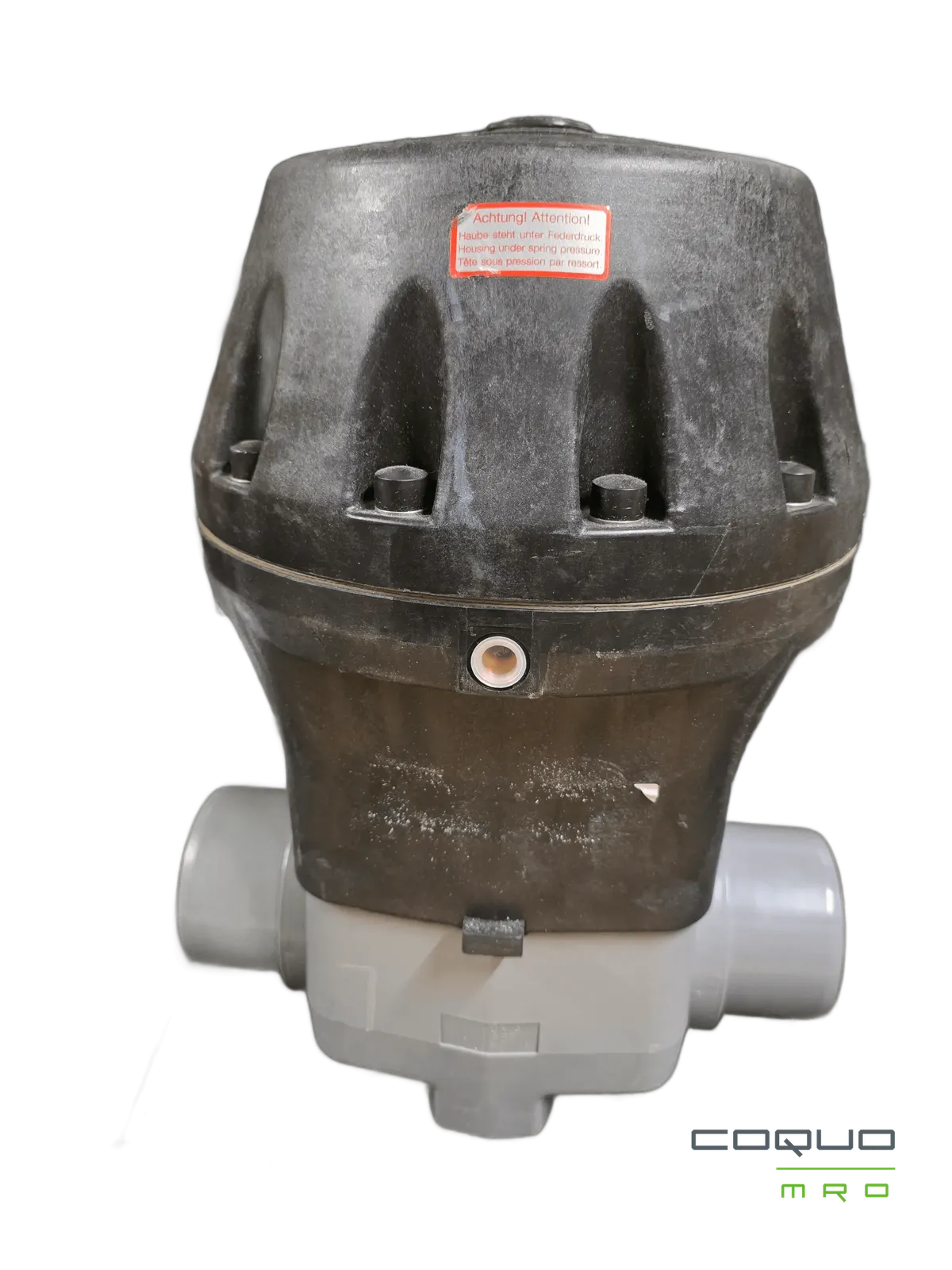
GEMÜ 690 80D30 4141 1075 PS 6,0 bar PST 5,0-7,0 bar CE I-DE-88036033-00-2297917
GEMÜ - 304 Hwbbegre€300.00
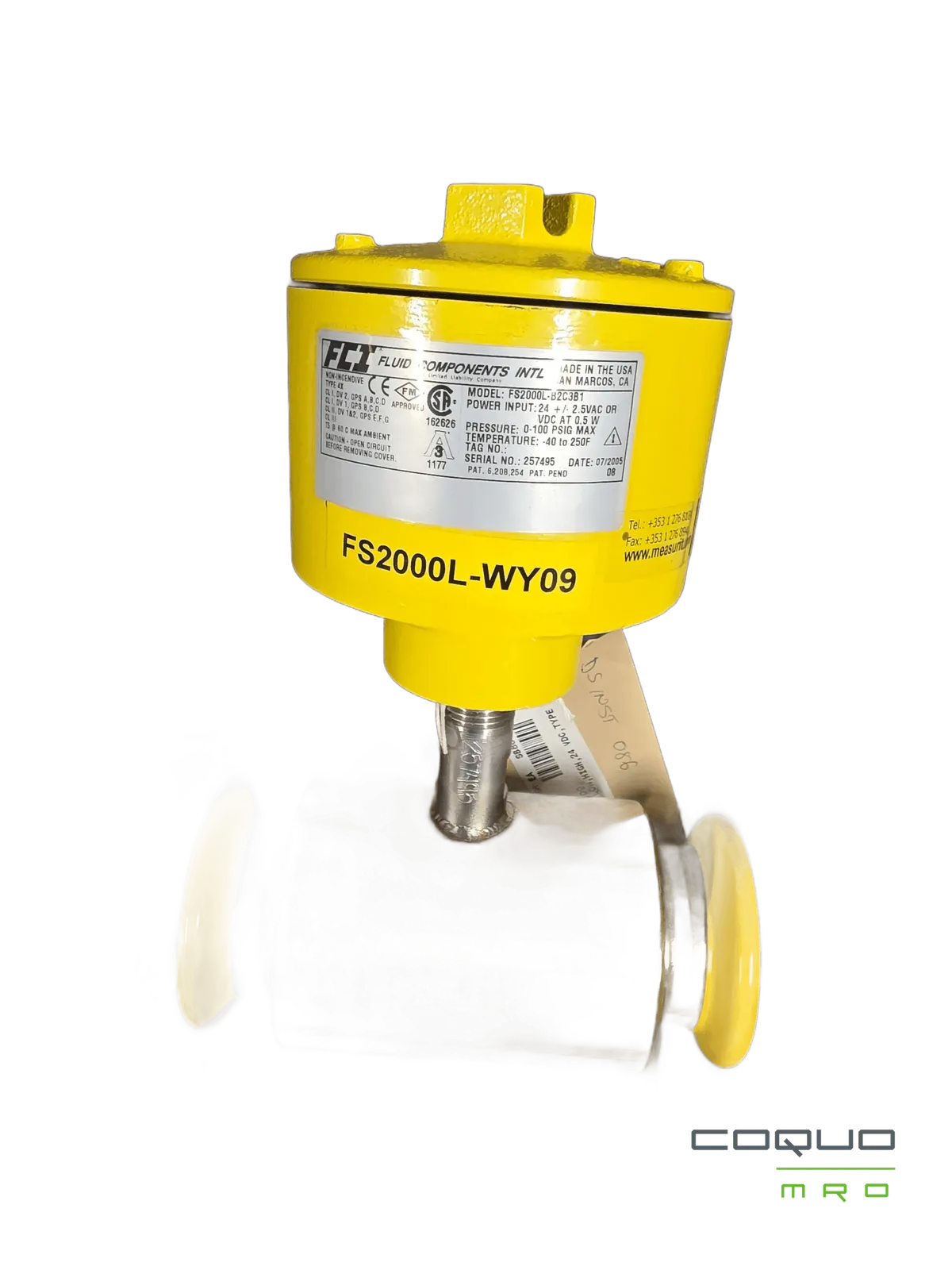
FLUID COMPONENTS INTL FEI FLUID CE NON-INCENDIVE TYPE 4X CL 1, DV 2, GPS A.B.CO APPROVED CLI, DV 1, GPS B,C,D CL II, DV 1&2, GPS E. G CLIII T5 @ 60 C MAX AMBIE (T CAUTION - OPEN CIRCUIT BEFORE REMOVING CO /ER. A Limited Liability Company MADE IN THE USA SAN MARCOS, CA MODEL: FS2000L-B2C3B1 POWER INPUT: 24 +/- 2.5VAC OR VDC AT 0.5 W FM SP 162626 PRESSURE: 0-100 PSIG MAX A 3 1177 TEMPERATURE: -40 to...
Fluid Components International - FS2000L-B2C3B1€450.00


