
The trusted marketplace for Industrial Parts and Consumables
Select language
Sold more then 10.000 Industrial Parts and Consumables
Sell quicker! List items quicker and globally!
2 Year Warranty on all items


When filtering for chemical and pharmaceutical processing, there are several key areas to consider, including equipment, processes, regulations, and industry trends. Here’s a breakdown of these categories:
1. Equipment
- Reactors: Types include batch reactors, continuous stirred-tank reactors (CSTR), and plug flow reactors (PFR).
- Separation Equipment: Distillation columns, centrifuges, membrane filters, and evaporators.
- Mixers and Agitators: For blending and homogenizing materials.
- Heat Exchangers: For temperature control during reactions.
- Pumps and Compressors: For moving fluids and gases through the system.
- Storage Tanks: For raw materials and finished products.
2. Processes
- Synthesis: Chemical reactions to create new compounds.
- Purification: Techniques such as crystallization, chromatography, and filtration.
- Formulation: Combining active pharmaceutical ingredients (APIs) with excipients to create final products.
- Packaging: Ensuring products are safely packaged for distribution.
- Quality Control: Testing and validation processes to ensure product safety and efficacy.
3. Regulations
- Good Manufacturing Practices (GMP): Guidelines to ensure products are consistently produced and controlled.
- FDA Regulations: Compliance with the Food and Drug Administration for pharmaceutical products.
- Environmental Regulations: Compliance with regulations regarding waste disposal and emissions.
- Occupational Safety and Health Administration (OSHA): Ensuring workplace safety in chemical processing environments.
4. Industry Trends
- Sustainability: Increasing focus on green chemistry and reducing environmental impact.
- Automation and Digitalization: Use of advanced technologies like IoT, AI, and machine learning for process optimization.
- Biopharmaceuticals: Growth in biologics and biosimilars, requiring specialized processing techniques.
- Personalized Medicine: Tailoring pharmaceuticals to individual patient needs, impacting production processes.
5. Key Challenges
- Cost Management: Balancing production costs with quality and compliance.
- Supply Chain Issues: Managing raw material availability and logistics.
- Innovation: Keeping up with rapid advancements in technology and science.
6. Applications
- Pharmaceuticals: Drug development and manufacturing.
- Biotechnology: Production of biologics, vaccines, and gene therapies.
- Chemical Manufacturing: Production of specialty chemicals, agrochemicals, and polymers.
Industrial Filters Manufacturers

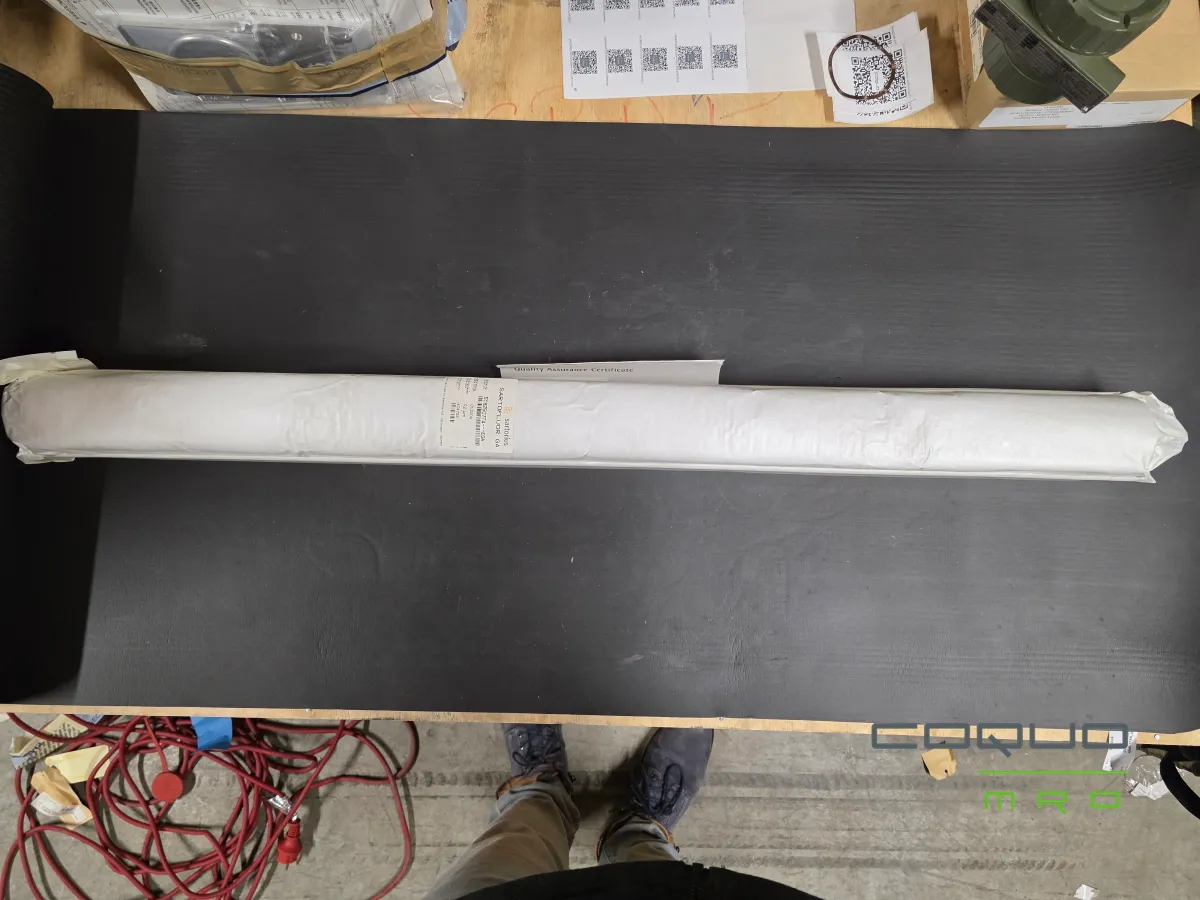
Sartorius
Sartorius is a global pharmaceutical and laboratory equipment supplier that specializes in providing

MILLIPORE
Millipore, a part of the Merck Group, is a leading global provider of filtration, purification, and
Filter
Main Categories
Categories
Sub Categories
Year of Construction
Manufacturers
Models
Locations
Condition
Sort on
€1,000.00
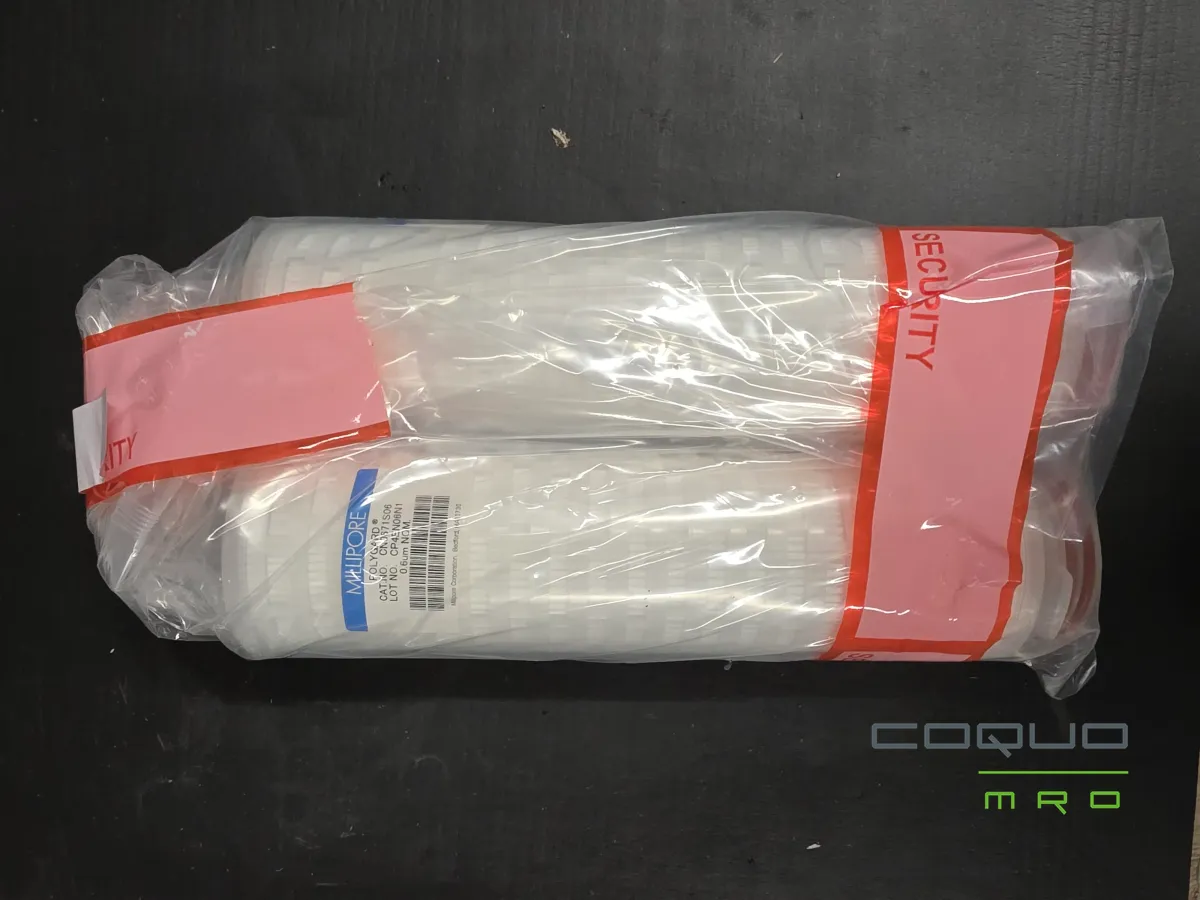
Filter medium Polypropylene (PP), Structural components Polypropylene O-rings Silicone (SI) Code F gaskets Polyethylene (PE) Maximum Differential Pressure, bar (psid) 4.8 bar (70 psid) @ 25 °C Gravimetric Extractables ≤50 mg after 24-h soak in water Oxidizable Substances Will meet the USP Oxidizable Substances Test requirements after a water flush of ≥5 L Bacterial Endotoxins Aqueous extraction co...
MILLIPORE - Polygard€1,000.00


