
The trusted marketplace for Industrial Parts and Consumables
Select language
Sold more then 10.000 Industrial Parts and Consumables
Sell quicker! List items quicker and globally!
2 Year Warranty on all items


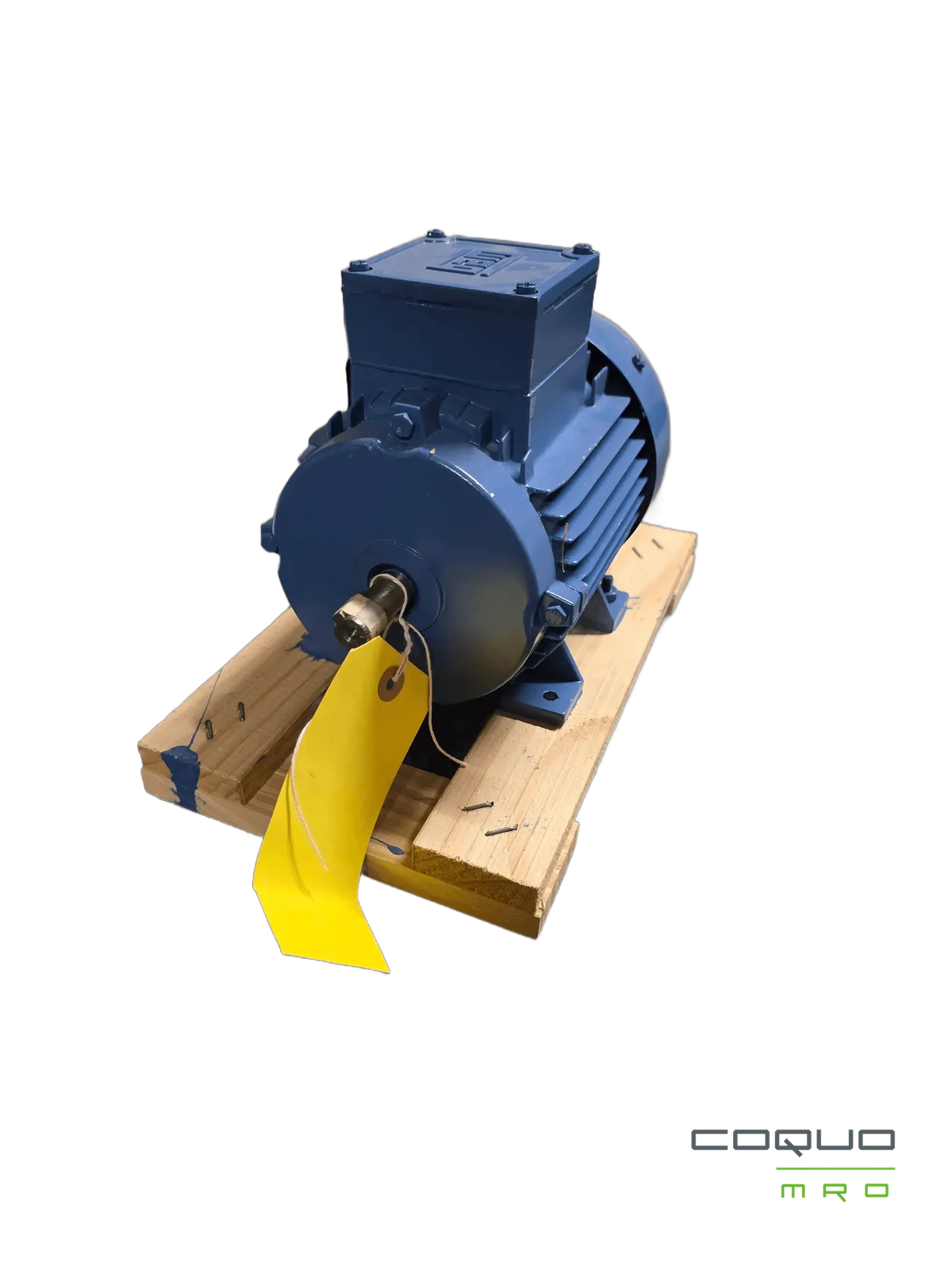
Electrical motors are devices that convert electrical energy into mechanical energy through the interaction of magnetic fields. They are widely used in various applications, from household appliances to industrial machinery. Here’s an overview of the key concepts related to electrical motors:
Types of Electrical Motors
1. AC Motors:
- Induction Motors: The most common type of AC motor, which operates on the principle of electromagnetic induction. They can be single-phase or three-phase.
- Synchronous Motors: These motors run at a constant speed, synchronized with the frequency of the AC supply. They require a separate DC power source for excitation.
2. DC Motors:
- Brushed DC Motors: These motors use brushes and a commutator to switch the direction of current, allowing for rotation. They are simple and inexpensive but require maintenance due to brush wear.
- Brushless DC Motors: These motors use electronic controllers instead of brushes, resulting in higher efficiency and lower maintenance.
3. Stepper Motors: These are a type of DC motor that divides a full rotation into a number of steps, allowing for precise control of position and speed. They are commonly used in robotics and CNC machines.
4. Servo Motors: These motors are used in applications requiring precise control of angular position, velocity, and acceleration. They often include feedback systems to ensure accuracy.
Key Components
- Stator: The stationary part of the motor that produces a magnetic field.
- Rotor: The rotating part of the motor that turns due to the magnetic field produced by the stator.
- Windings: Coils of wire that create magnetic fields when electric current passes through them.
- Commutator: A mechanical switch in brushed DC motors that reverses the current direction in the rotor windings.
Operating Principles
- Electromagnetism: Motors operate based on the principles of electromagnetism, where electric current flowing through a wire creates a magnetic field.
- Lorentz Force: The interaction between the magnetic field and the current-carrying conductor produces a force that causes the rotor to turn.
Applications
- Industrial: Used in conveyor systems, pumps, fans, and compressors.
- Consumer Electronics: Found in appliances like washing machines, refrigerators, and power tools.
- Automotive: Used in electric vehicles, power windows, and seat adjustments.
- Robotics: Employed in robotic arms, drones, and automated systems.
Efficiency and Performance
- Efficiency: The efficiency of a motor is a measure of how well it converts electrical energy into mechanical energy. High-efficiency motors can significantly reduce energy consumption.
- Torque and Speed: Motors are characterized by their torque (rotational force) and speed (RPM). The choice of motor depends on the specific requirements of the application.
Maintenance and Troubleshooting
- Regular maintenance is essential for ensuring the longevity and performance of motors. Common issues include overheating, bearing wear, and electrical faults. Troubleshooting often involves checking electrical connections, inspecting for wear, and ensuring proper lubrication.
Electrical Motors Manufacturers

WEG
WEG S.A. is a Brazilian multinational company renowned for its expertise in the manufacturing of ele
Filter
Main Categories
Categories
Sub Categories
Year of Construction
Manufacturers
Models
Locations
Condition
Sort on
€500.00


